

As the NFL Draft Visits Pittsburgh, Trainers and Performance Staff Discover Red Light Therapy Thanks To Recover Red.
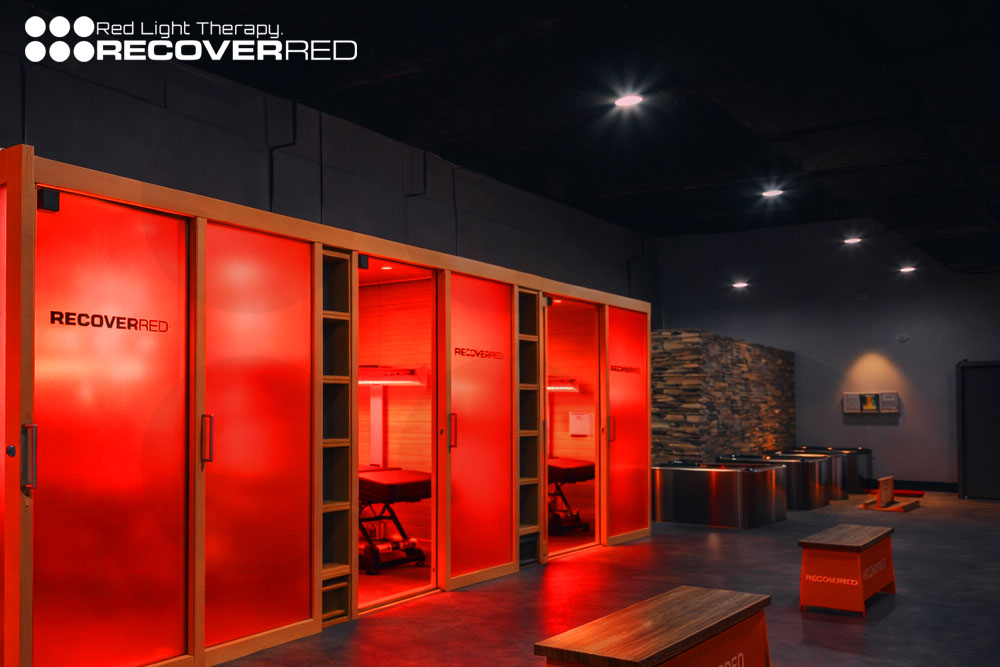
Red Light + Sauna @ Pittsburgh Athletic Center

Point State Park — Draft Experience Vibe
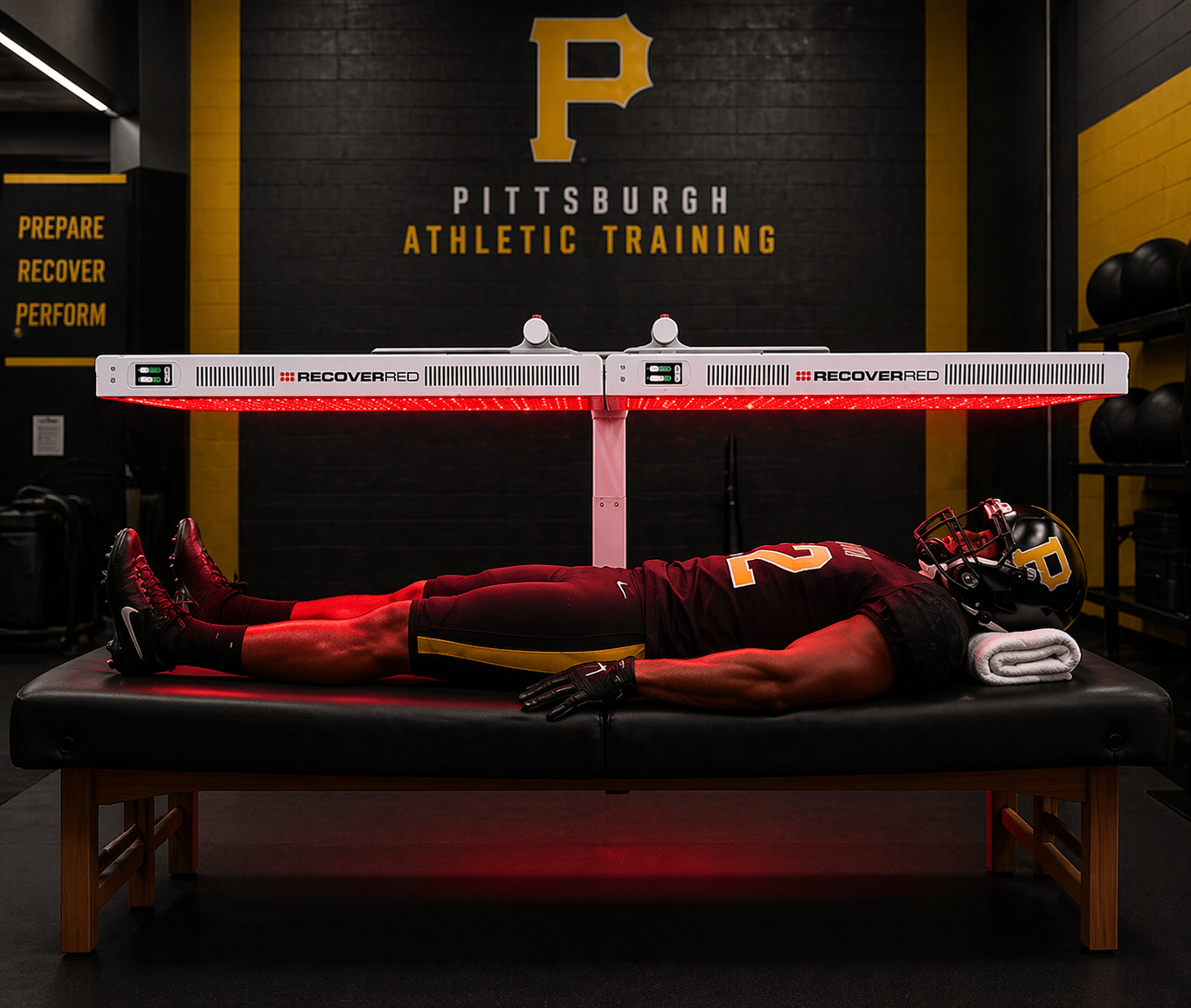
Yea, but you need to take off the uniform!
Recover Red of Pittsburgh: Pushing the boundaries of what’s possible in the world of 100% natural cellular health acceleration.
Though the festivities centered on professional football, the event featured significant discussion of athlete recovery and performance. According to Pittsburgh-based supplier Recover Red, this is an area where red light therapy (RLT) is gaining a lot of attention.
While these conversations are critical to NFL operations, they extend across the entire fitness industry. Across the country, owners of athletic centers, gyms, and training facilities are also looking into red light therapy as part of their structured recovery offerings.
Draft Week Conversations Focus on Recovery
Large-scale sporting events often act as convergence points for professionals across disciplines. During events like draft week, even informal exchanges between trainers, coaches, and performance specialists can serve to shape emerging trends in athlete care.
Last week in Pittsburgh, one of the more consistent themes was the evolution of recovery methods. Whereas traditional methods like manual therapy, ice, and compression remain important, there is growing interest in technological solutions, especially those that operate at the cellular level.
Full body red light therapy has already seen widespread adoption in major gym franchises like Planet Fitness and Anytime Fitness, which position it as both a spa treatment and a recovery aid. It now appears that the technology may soon be implemented across collegiate programs, private training facilities, and professional sports organizations.
Understanding the Role of Red Light Therapy in Recovery
Red light therapy works through photobiomodulation. In this process, specific wavelengths of red and near-infrared light are delivered through the skin, where they are absorbed by the mitochondria within cells. This interaction supports the production of adenosine triphosphate, or ATP, which plays a role in cellular energy and repair.
For performance professionals, photobiomodulation’s relevance lies in how the body responds to physical stress. Training in the gym or on the field creates micro-damage that requires efficient repair as well as proper rest and nutrition.
Studies consistently show that when applied properly and consistently, red light therapy can support circulation, oxygen delivery, and inflammatory balance, all of which support tissue recovery.
It is important to note that these effects are cumulative. According to these same studies, consistent exposure, rather than occasional use, is typically required to support measurable outcomes.
“If you’re a large organization with thousands of athletes like the NFL, investing in structured recovery with RLT is a no-brainer,” a Recover Red spokesperson said. “Getting a player to just one more game can make a huge difference in a 17-game season.”
Athletic Centers Shift Toward Structured Recovery
Although the presence of a red light therapy bed in fitness centers suggests a recovery-focused shift, many of these facilities still emphasize other RLT benefits.
Treatments are frequently marketed for skin appearance, body contouring, or cosmetic enhancement, rather than their role in supporting tissue repair and post-exercise recovery. This imbalance reflects a larger trend in the wellness industry, where visible results are stressed over post-exercise recovery.
“It’s great to see RLT used as a spa treatment,” the spokesperson said. “But you’re only scratching the surface of what the technology does.” As evidenced by the conversations at the NFL draft, this is starting to change. More athletic centers are beginning to market RLT as a tool for recovering between training sessions.
This perspective shows a more mature understanding of photobiomodulation, where benefits are tied to repeated exposure and proper application rather than one-time use. Without structure, results may be limited. With it, the therapy becomes part of a larger system designed to support the body’s natural processes.
Evaluating Access, Consistency, and Application
As red light therapy becomes more visible, users, trainers, and facility owners will need to concentrate on application over availability. There is no shortage of products out there that claim to function as “red light therapy devices,” but that lack the power or output to induce photobiomodulation.
To see results, professionals will increasingly need to evaluate factors like:
• Output consistency and measurable intensity
• Frequency of use along with adherence to protocol
• Coverage area and positioning
• Integration into existing recovery workflows
In shared environments like gyms, these variables are often fixed. While this model improves accessibility, it may limit the ability to customize treatment to particular needs or maintain stable routines.
This distinction is becoming more relevant as trainers and performance specialists look for solutions that fit with long-term athlete development rather than short-term exposure.
Supporting Recovery Through Consistency
From a clinical perspective, red light therapy should be seen as a supportive modality. It is not a replacement for medical treatment, rehabilitation, or structured training programs. However, it has been repeatedly shown to support the biological processes involved in recovery when used regularly and appropriately.
Many of the leading benefits, including improved circulation, reduced inflammation, and more efficient tissue response, are closely tied to consistent application. For professional organizations like NFL teams, this creates a practical challenge: recovery tools must not only be effective, but scalable, repeatable, and easy to integrate into daily operations.
As a result, teams and large athletic organizations are increasingly evaluating solutions based on logistical factors such as treatment time, ease of access, portability, and the ability to standardize protocols across an entire roster. No doubt, the next big move for the NFL and athletes in general will be finding a way to deliver that consistency at scale.
About Recover Red
Recover Red develops professional-grade red light therapy systems engineered for performance, precision, and structured recovery applications. Designed for both clinical and advanced home use, Recover Red devices prioritize output integrity, responsible protocols, and scientifically grounded photobiomodulation support.
Medical Disclaimer
This content is for educational purposes only and is not intended as medical advice, diagnosis, or treatment. Red light therapy is not a substitute for professional medical care. Individuals should consult a licensed healthcare provider before beginning any new wellness or therapeutic regimen.
Don Pytel
Recover Red
+1 412-423-6090
email us here
Visit us on social media:
Instagram
Facebook
YouTube
TikTok
X
Legal Disclaimer:
EIN Presswire provides this news content "as is" without warranty of any kind. We do not accept any responsibility or liability for the accuracy, content, images, videos, licenses, completeness, legality, or reliability of the information contained in this article. If you have any complaints or copyright issues related to this article, kindly contact the author above.
