

DR. GRAEME MATTHEWSON IS RETHINKING WHAT ORTHOPEDIC CARE SHOULD LOOK LIKE
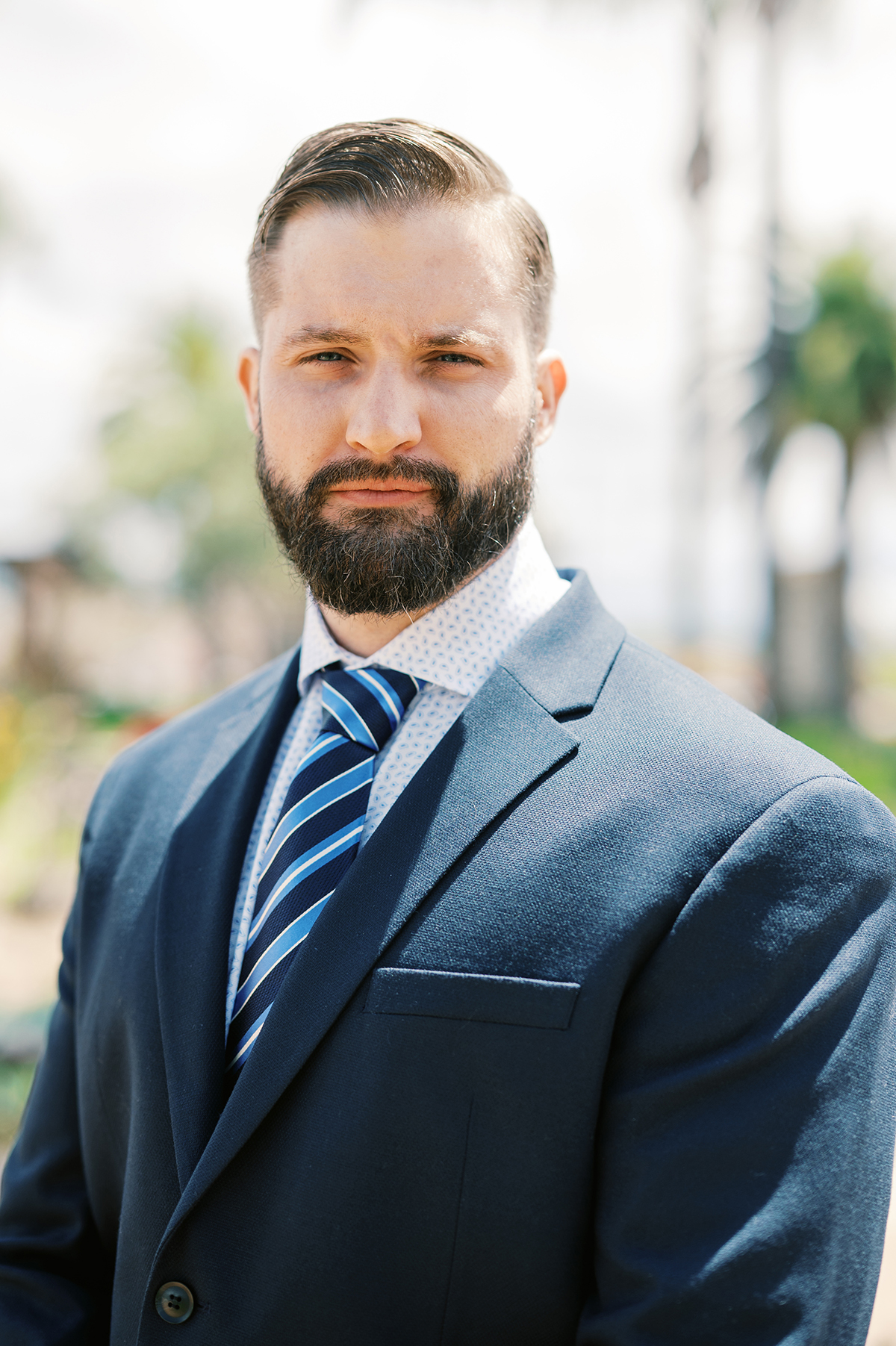
Dr. Graeme Matthewson

Dr. Graeme Matthewson
Southern California orthopedic surgeon combines sports medicine, joint preservation, orthobiologic care and advanced surgery to help patients preserve movement.
Orthopedic longevity really means preserving someone’s ability to participate in their own life.”
LONG BEACH, CA, UNITED STATES, October 15, 2026 /EINPresswire.com/ -- Orthopedic medicine has traditionally focused on a relatively simple question: what is injured?— Dr. Graeme Matthewson
Dr. Graeme Matthewson is asking a bigger one: how do we help people keep moving for decades after the injury happens?
The board-certified orthopedic surgeon and sports medicine specialist is helping push orthopedic care toward a model built around preservation, performance and long-term mobility. His approach brings together advanced diagnosis, joint preservation, rehabilitation, evidence-based orthobiologic treatments and surgery when appropriate, with the goal of helping patients remain active throughout their lives.
“The future of orthopedics is about looking beyond the immediate injury,” said Dr. Matthewson. “Of course we need to understand what hurts and why, but we also need to understand what that patient wants to be able to do five, ten or twenty years from now. The treatment plan should support that bigger picture. For many patients, success means returning to a sport, staying strong as they age, keeping up with their kids or simply maintaining the freedom to move without constantly thinking about their joints.”
Matthewson specializes in the treatment of shoulder, knee and sports-related orthopedic conditions, with expertise that includes shoulder arthroscopy, knee arthroscopy, rotator cuff repair, cartilage restoration, shoulder reconstruction, joint preservation and joint reconstruction.
His practice incorporates orthobiologic treatments including platelet-rich plasma (PRP), bone marrow aspirate concentrate (BMAC) and microfragmented adipose tissue (MFAT) when those treatments are appropriate for the patient, diagnosis and underlying condition. He also utilizes other nonoperative treatment options, including shockwave therapy, when appropriate.
The operating room, however, is only one part of his approach.
Matthewson increasingly focuses on preserving healthy tissue, restoring function and selecting the least invasive effective treatment appropriate for the individual patient. Depending on the diagnosis, that can include rehabilitation, carefully managed activity modification and progressive loading, joint-preservation strategies, orthobiologic treatments or surgery.
“We have more tools available to orthopedic physicians than ever before, which is exciting, but having more options also creates a greater responsibility to choose them intelligently,” Matthewson said. “A treatment shouldn’t be selected because it is new or because it is popular. Every decision should begin with understanding exactly what is happening structurally, what tissue is involved, what the patient’s goals are and what gives that person the best chance of returning to the activities that matter to them.”
That diagnosis-first philosophy has become increasingly relevant as orthobiologic treatments move further into mainstream orthopedic care.
Interest in treatments such as PRP, BMAC and MFAT has grown among professional athletes, recreational athletes and active adults seeking additional options for orthopedic injuries and degenerative conditions.
Matthewson believes these treatments can be valuable when used for the right patient and the right indication, with outcomes depending heavily on accurate diagnosis, appropriate patient selection and integration into a broader treatment plan.
“PRP, BMAC, MFAT and other orthobiologic treatments can be very valuable tools when they are used for the right indication,” Matthewson said. “The important part is understanding where they fit. These treatments are most useful when they are integrated into a thoughtful orthopedic treatment plan. You still have to understand the anatomy, the injury, the biology of the tissue and what the patient is ultimately trying to accomplish.”
That evidence-first, diagnosis-first approach is central to the launch of Peak MD Regenerative Medicine, where Matthewson is bringing orthopedic expertise together with orthobiologic treatments and a broader focus on long-term musculoskeletal health.
“The question shouldn’t simply be whether we can perform a particular injection or procedure,” Matthewson said. “The better question is what is actually happening inside this joint and what combination of treatments gives this specific patient the strongest path forward. Sometimes that includes an orthobiologic treatment. Sometimes it means rehabilitation. Sometimes surgery is clearly the right answer. Good orthopedic care is knowing the difference.”
The launch of Peak MD reflects Matthewson’s belief that the field is moving toward a future in which orthopedic care extends far beyond treating isolated injuries.
People are living longer and increasingly expect to remain physically active throughout those additional decades. A patient in their 40s may want another 30 years of running, skiing or strength training. Someone in their 50s may want to continue competing recreationally or maintaining a high level of fitness. A patient in their 60s or 70s may want to travel, golf, hike or preserve the strength and independence required to live on their own terms.
Those goals can fundamentally change the way treatment decisions are made.
“Orthopedic longevity really means preserving someone’s ability to participate in their own life,” Matthewson said. “Patients are increasingly coming to us with goals measured in decades. They want to know how to protect their joints, maintain strength and continue doing the things they love. That requires us to think beyond short-term symptom relief and consider how every treatment decision affects their future mobility.”
Matthewson also challenges the assumption that aging automatically requires people to become less active.
“The body remains remarkably adaptable when it is treated intelligently,” he said. “Getting older does not erase the desire to move, compete or stay strong. Our role is to understand what the body can safely tolerate, diagnose injuries accurately, manage loading appropriately and help patients preserve as much function as possible for as long as possible.”
For Matthewson, the next era of orthopedics will be defined by physicians who understand how to use the full range of available tools in the context of each individual patient.
“The future of orthopedics is having all of these options available and knowing precisely when each one belongs in the treatment plan,” Matthewson said. “Surgery, orthobiologics, rehabilitation and joint-preservation strategies all have a place. The real skill is understanding what this particular patient needs today and making decisions that will continue serving them years down the road.”
Dr. Graeme Matthewson is available for interviews and expert commentary on orthopedic surgery, sports medicine, shoulder and knee injuries, shoulder arthroscopy, knee arthroscopy, rotator cuff repair, cartilage restoration, joint preservation, orthobiologics, PRP, BMAC, MFAT, shockwave therapy, active aging, injury prevention and emerging trends in musculoskeletal health.
Media
Relations
Legal Disclaimer:
EIN Presswire provides this news content "as is" without warranty of any kind. We do not accept any responsibility or liability for the accuracy, content, images, videos, licenses, completeness, legality, or reliability of the information contained in this article. If you have any complaints or copyright issues related to this article, kindly contact the author above.
